
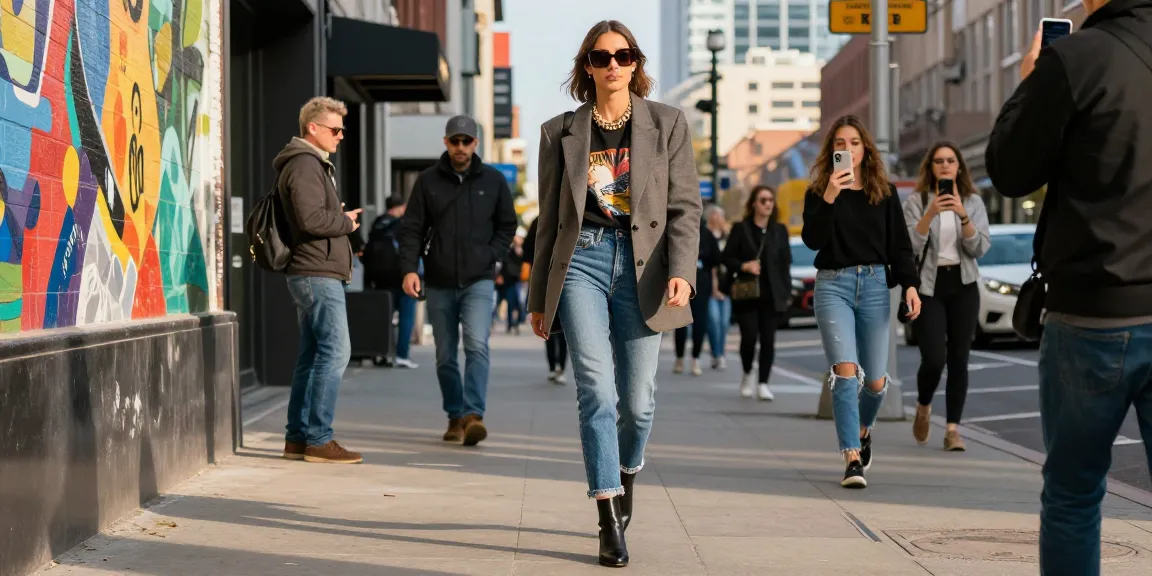
Understanding Fashion Blogging
In the digital age, fashion blogging has become a significant means of expression and personal branding. What started as casual outfit sharing on platforms like Tumblr and Instagram has evolved into a multifaceted industry that blends personal style with marketing prowess. Fashion bloggers today not only showcase their outfits but also influence trends, partner with brands, and engage with a global audience. Whether you’re a budding fashionista or an established influencer, understanding the nuances of fashion blogging can help elevate your online presence. When exploring options, fashion blog platforms provide comprehensive insights into effective content creation and audience engagement.
What is a Fashion Blog?
A fashion blog is a digital space where individuals share their insights, experiences, and opinions on fashion-related topics. These blogs can include outfit posts, style tips, trend analyses, beauty advice, and more. They serve as a personal journal for the blogger, but they also offer valuable content for readers who seek inspiration or information. Fashion blogs can vary significantly—from high-fashion editorials to casual lifestyle blogs, each catering to distinct audience demographics.
The Importance of Style Narratives
Every effective fashion blog revolves around a strong narrative. Style narratives not only showcase clothing but also convey the blogger’s personal journey and aesthetic values. These stories help to humanize the content, fostering connections with readers. For instance, sharing the inspiration behind a particular outfit or the emotional significance of a piece can resonate deeply with an audience. This storytelling aspect is critical in distinguishing a blog from countless others in the saturated fashion space.
Key Elements of Successful Fashion Blogging
- Authenticity: Readers appreciate honesty and vulnerability in fashion blogging. Sharing real experiences, including failures and successes, builds trust.
- Visual Appeal: High-quality images are crucial. Fashion is inherently visual, so investing in good photography is essential for showcasing outfits and styles.
- Consistency: Regular updates keep readers engaged and returning for more. Developing a posting schedule can help maintain this consistency.
- Engagement: Building a community through comments, social media interactions, and collaborations enhances reader loyalty.
Identifying Your Unique Style
Finding and defining your unique fashion voice is a critical step in successful blogging. This process requires self-reflection and an understanding of personal preferences, but it can significantly impact your blog’s identity.
Finding Your Fashion Voice
Your fashion voice is the embodiment of your personal style and how you choose to express it. To discover your voice, consider the following steps:
- Reflect on Past Choices: Review your wardrobe and identify pieces that resonate with you. What colors, patterns, and styles are consistently present?
- Stay Inspired: Follow other bloggers and influencers whose styles you admire. Observe what elements you might want to incorporate into your own posts.
- Experiment: Don’t be afraid to try new trends. Document your experiments, even if they don’t work out, as they add depth to your narrative.
Creating a Cohesive Aesthetic
Having a cohesive aesthetic is essential for branding and recognition. This involves developing a consistent color scheme, photography style, and layout across all your platforms:
- Color Palette: Decide on a color palette that reflects your personal style.
- Visual Style: Maintain a consistent editing style for your photos to create a recognizable visual brand.
- Content Themes: Organize your blog content around specific themes or topics that align with your style.
Incorporating Personal Stories in Your Blog
Integrating personal stories into your fashion blog enhances authenticity and relatability. Share anecdotes that highlight your relationship with fashion, such as memorable shopping experiences or emotional moments tied to specific outfits. This not only engages readers but also establishes a deeper connection.
Content Creation Techniques
Creating engaging content is the heart of a successful fashion blog. The right blend of visuals, writing, and strategic promotion can significantly elevate your online presence.
Photography Tips for Fashion Blogging
Visual content is paramount in fashion blogging. Here are some essential photography tips:
- Lighting: Natural light is ideal for fashion photography. Aim for early morning or late afternoon for soft, flattering light.
- Angles: Experiment with different angles to find the most flattering perspectives for your outfits.
- Background: Choose backgrounds that complement but don’t overshadow your outfits. Urban settings, parks, and simple studio backdrops can work well.
Writing Engaging Fashion Articles
Writing should be as compelling as your visuals. Consider the following tips to enhance your articles:
- Be Conversational: Write as if you’re having a conversation with a friend; this makes your content more relatable and engaging.
- Use Strong Headlines: Craft headlines that are informative yet intriguing to capture reader attention.
- Incorporate SEO: Use keywords strategically to improve your visibility in search engines. Analyze trending terms within the fashion niche.
Utilizing Social Media for Content Promotion
Social media platforms are invaluable tools for promoting your fashion blog. Here’s how to leverage them effectively:
- Choose the Right Platforms: Focus on platforms where your target audience is most active. Instagram and Pinterest are particularly suited for fashion content.
- Engage with Your Audience: Respond to comments, ask questions, and encourage engagement to build a community.
- Utilize Hashtags: Use relevant hashtags to enhance the discoverability of your posts.
Building a Loyal Audience
Building and maintaining a loyal audience is vital for long-term success in fashion blogging. Engaging with your readers and understanding their needs will help foster a strong community.
Engagement Strategies for Readers
Interact with your readers by:
- Encouraging Comments: Ask readers to share their thoughts or experiences related to your posts.
- Hosting Contests: Run giveaways or contests that require reader participation, further engaging your audience.
- Newsletter Sign-Ups: Offer a newsletter for exclusive content, giving readers a reason to stay connected.
Understanding Your Target Demographic
Understanding who your audience is will help tailor your content to align with their interests and preferences:
- Analytics Tools: Use tools like Google Analytics to gather insights on your audience’s demographics and interests.
- Feedback Mechanisms: Encourage feedback through surveys and polls to learn about your readers’ preferences.
Metrics to Measure Audience Growth and Retention
Tracking the right metrics will inform you about your blog’s performance:
- Traffic Sources: Analyze where your traffic is coming from to identify effective promotion channels.
- Bounce Rate: Monitor your bounce rate to evaluate if readers are engaging with your content.
- Social Media Engagement: Track engagement levels on your social media posts to assess how well you’re connecting with your audience.
Future Trends in Fashion Blogging
The fashion blogging landscape is ever-evolving, with new trends emerging regularly. Staying ahead of these trends is crucial for maintaining relevance and engagement.
The Rise of Sustainable Fashion
With growing concerns about environmental impacts, sustainable fashion is becoming increasingly important. Fashion bloggers are expected to promote ethical brands and advocate for sustainability in their content. This trend not only reflects a shift in consumer behavior but also aligns with the values of younger generations.
Integrating Technology and Fashion
Technological advancements are shaping the future of fashion blogging. From augmented reality (AR) try-ons to AI-generated fashion advice, tech is enhancing how bloggers create and share content. Embracing these innovations can set your blog apart and attract tech-savvy audiences.
Predictions for the Fashion Blogging Landscape in 2026
As the industry continues to evolve, we can expect:
- Increased Video Content: Platforms like TikTok are highlighting the importance of video, encouraging bloggers to create dynamic visual content.
- Personalization: Customized content based on user preferences will become more prevalent, enhancing the user experience.
- Collaborative Consumption: Expect to see more content focusing on sharing and renting fashion items rather than ownership, as sustainability trends take hold.
What are the best platforms for fashion blogging?
Popular platforms for fashion blogging include WordPress, Squarespace, and Blogger. WordPress stands out for its flexibility and variety of themes tailored for fashion blogs.
How can I make money from my fashion blog?
Monetization strategies include affiliate marketing, sponsored posts, and selling merchandise or digital products. Building a strong audience is foundational to attracting potential partnerships.
What type of content should I create for my audience?
Create a mix of content types, such as outfit inspiration, product reviews, trend forecasts, and industry news to keep your audience engaged.
How important is SEO for a fashion blog?
SEO is crucial for increasing visibility in search engines and attracting organic traffic. Implementing proper keywords and optimizing content can significantly impact your blog’s reach.
What are common mistakes to avoid in fashion blogging?
Common mistakes include being inconsistent with posting, neglecting audience engagement, and failing to invest in quality visuals. Learning from these pitfalls can enhance your blogging journey.