
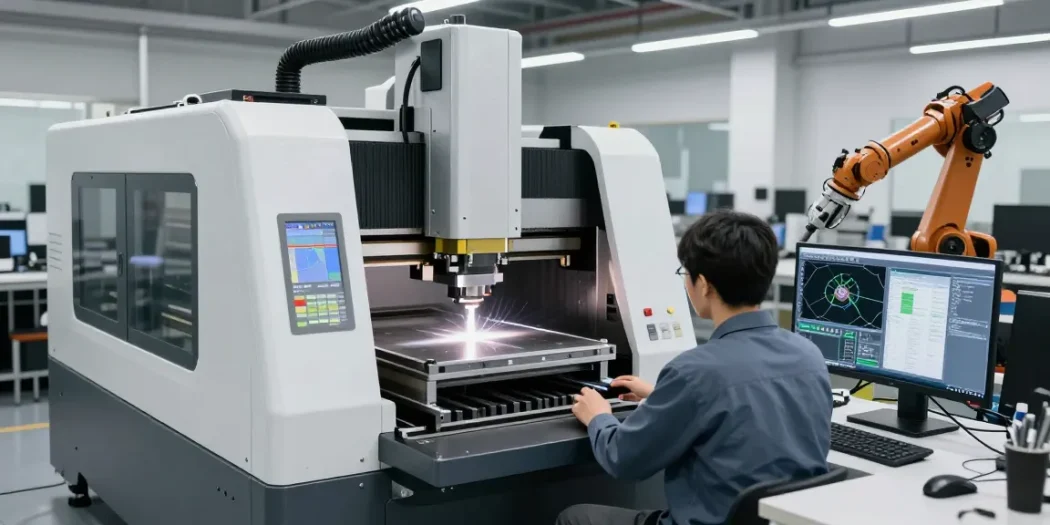
Understanding Hydraulic CNC Press Brake Machine Mechanisms
A hydraulic CNC press brake machine serves as a crucial tool in metalworking, allowing for precision bending of various materials with complex shapes. With advancements in computer technology and automation, these machines have evolved significantly, incorporating features that enhance their capabilities, reliability, and overall performance. When exploring options, hydraulic cnc press brake machine provides comprehensive insights into the specifications and technology behind modern press brakes.
What is a Hydraulic CNC Press Brake Machine?
A hydraulic CNC press brake machine utilizes hydraulic power to bend sheet metal into various shapes. The CNC (Computer Numerical Control) element allows for precise control over bending angles and positions, making it suitable for complex metal fabrication tasks. The closed-loop system often seen in advanced models ensures that any adjustments needed during operation are made in real-time, achieving an accuracy level of ± 0.01 mm.
Key Components and Their Functions
- Hydraulic System: This system generates the force necessary for bending operations, typically powered by a hydraulic pump that presses fluid through a series of cylinders.
- CNC Controller: Manages all axes of operation, allowing for changes in the bending sequence, speed, and implementation of complex geometries.
- Ram and Die: The ram is the moving part of the machine that applies force on the material, while the die shapes the bent metal.
- Backgauge: Positions the workpiece accurately and can be adjusted for different material sizes and shapes.
- Crowning System: Adjusts the table’s curvature to combat deflection, ensuring consistent bend angles, especially for long sheets.
Common Issues and Diagnostic Techniques
Issues can range from inaccurate bends to machine malfunctions. Regular maintenance and diagnostics are crucial for ensuring the machine’s reliability. Common problems found in hydraulic press brakes include hydraulic leaks, control panel errors, and mechanical wear. Utilizing diagnostic tools such as pressure gauges and alignment lasers can assist in identifying these issues early.
Advanced Troubleshooting Techniques for Efficiency
For operators and technicians, most issues can be resolved quickly through systematic troubleshooting. The efficiency of a hydraulic CNC press brake can be significantly enhanced by understanding common mechanical and electrical problems and their solutions.
Diagnostic Tools and Software
Current technology trends have introduced various software packages that can communicate with CNC systems for real-time diagnostics. These tools often include graphical interfaces that simplify troubleshooting processes, guiding users in interpreting machine data, and identifying irregularities effectively.
Step-by-Step Troubleshooting Guide
- Check hydraulic fluid levels – low levels can cause performance issues.
- Inspect hydraulic hoses for leaks or blockages.
- Examine the CNC controller settings for accuracy in program parameters.
- Test the ram alignment; misalignments can lead to uneven pressure distribution.
- Review electrical connections to ensure all wiring is intact and secure.
When to Seek Professional Help
If problems persist despite troubleshooting attempts, it may be necessary to consult a professional technician. Situations that typically require expert intervention include persistent hydraulic leaks, complex electronic failures, or when the machine cannot achieve specified performance metrics even after recalibration.
Best Practices for Maintenance and Performance Optimization
Implementing best practices in routine maintenance is vital for prolonging the lifespan and performance of hydraulic CNC press brakes. Technical and mechanical integrity ensures operators can achieve consistent results without unexpected downtime.
Routine Maintenance Tips
- Regularly check hydraulic fluid levels and quality to maintain pressure and efficiency.
- Clean filters and replace them as necessary to avoid system contamination.
- Lubricate moving parts per the manufacturer’s recommendations to reduce wear.
- Conduct alignment checks on the ram and backgauge to ensure precise operation.
Performance Monitoring and Optimization Strategies
Tracking performance metrics such as operational cycles, productivity rates, and downtime can highlight areas for improvement. Additional strategies include the integration of IoT sensors that provide real-time data on machine health and operation, allowing for proactive maintenance.
Improving Longevity and Reliability
To enhance the reliability of hydraulic CNC press brakes, operators should focus on training personnel thoroughly on machine operation and maintenance procedures. Additionally, establishing a consistent inspection schedule can prevent major failures caused by minor, easily manageable issues.
Innovative Solutions in Hydraulic CNC Press Brake Technology
The ongoing evolution in hydraulic CNC press brake technology is primarily driven by automation and data integration. Innovations not only enhance productivity but also significantly increase quality assurance across various sectors.
Implementing Automation and Smart Technologies
Automation in modern hydraulic press brakes often involves robotics that can handle feeding and unloading processes. This shift minimizes manual labor and enhances safety and accuracy during operations.
CNC Programming Advances and Software Integration
Recently, there have been significant advancements in CNC programming tools that integrate with CAD software. These tools allow users to visualize the bending process, optimize operations, and reduce cycle times through better resource management.
The Future of Hydraulic Press Brakes and AI Integration
Artificial Intelligence is set to revolutionize hydraulic press brake operations by providing predictive maintenance features. These systems can analyze performance data and alert operators to potential failures before they occur, thus minimizing downtime and costs.
Frequently Asked Questions
How Do I Know If My Press Brake Needs Calibration?
If the machine consistently produces inaccurate bends or if there are noticeable discrepancies in the thickness or angle of the materials being processed, a calibration may be necessary. Regular checks should be part of operational procedures to maintain precision.
What are the Most Common Hydraulic Issues?
Common issues include hydraulic fluid leaks, inconsistent pressure delivery, and malfunctioning valve actuators. These can often be mitigated through regular maintenance checks and timely fluid replacements.
How Can Automation Enhance My Press Brake Operations?
Automation enhances operations by reducing labor costs, increasing throughput, and ensuring consistent quality. Additionally, automated systems can operate in conditions that are hazardous for human workers, improving overall workplace safety.